Welcome Our Company!


 Send Inquiry
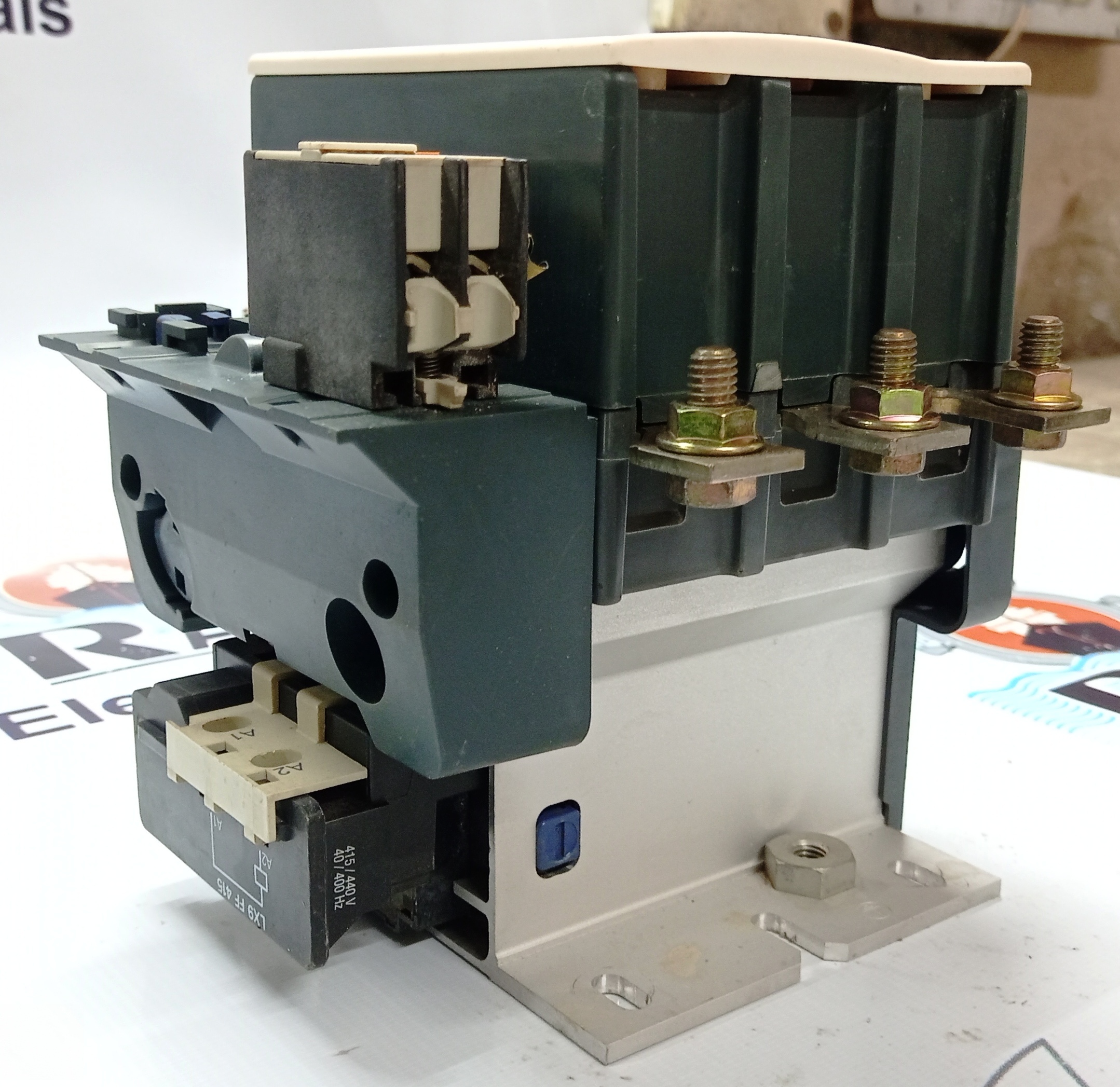
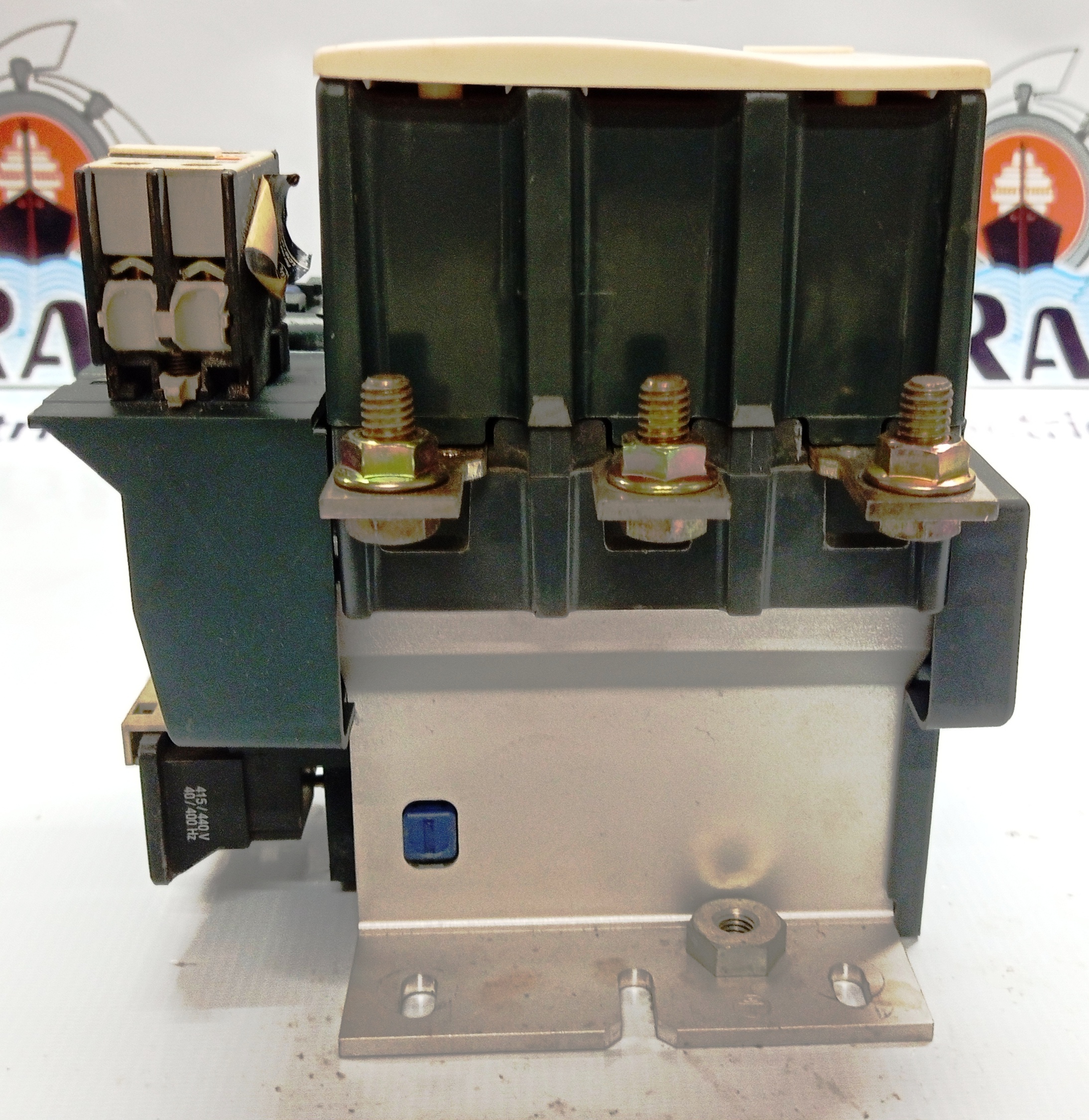
TELEMECANIQUE LC1F150 CONTACTOR
TELEMECANIQUE LC1F150 CONTACTOR Specification
- IP Rating
- IP20
- Connector Type
- Screw Clamp Type
- Efficiency
- High
- Insulation Material
- Thermoplastic/Epoxy Moulded
- Overheating Protection
- Yes (with thermal overload relay accessory)
- Operating Temperature
- -5°C to +60°C
- Power Factor
- 0.8
- Humidity %
- Up to 95% RH (non-condensing)
- Surface Finish
- Matte
- Mounting Type
- DIN Rail / Panel Mount
- Shape
- Rectangular
- Feature
- High Durability, Heavy Duty Contacts, Low Power Consumption
- Product Type
- Power Contactor
- Application
- Motor Control, Power Switching, Industrial Automation
- Protection Level
- IP20
- Frequency (MHz)
- 50/60 Hz
- Rated Voltage
- 690 V AC
- Energy Consumption
- 12 VA (Holding)
- Output Type
- NO+NC
- Color
- Grey & Blue
- Dimension (L*W*H)
- 180 x 142 x 142 mm
- Weight
- 4.7 kg
- Input Voltage
- 230V AC (Coil Voltage)
- Phase
- Three Phase
- Size
- 150 A Frame Size
- Material
- Flame Retardant Plastic & Metal
- No Of Poles
- 3
- Connection Type
- Screw Terminal
- Ambient Storage Temperature
- -40°C to +85°C
- Impulse Withstand Voltage
- 8 kV
- Catalog Number
- LC1F150
- Conforming Standards
- IEC 60947-4-1, CE, cULus, EAC
- Maximum Switching Power
- 90 kW (AC-3, 440V)
- Pollution Degree
- 3
- Coil Consumption
- 220V - 250V AC, 50/60 Hz
- Short Circuit Protection
- Incorporated with Backup Fuse
- Electrical Life
- 1 Million Operations
- Mechanical Life
- 10 Million Operations
- Vibration Resistance
- 5...300 Hz, 5 gn
- Auxiliary Contacts
- 2NO + 2NC (can be added)
- Control Circuit Type
- AC
- Terminal Capacity
- 35-70 mm²
TELEMECANIQUE LC1F150 CONTACTOR Trade Information
- Payment Terms
- Cash in Advance (CID)
- Sample Available
- Yes
- Main Domestic Market
- All India
About TELEMECANIQUE LC1F150 CONTACTOR
A contactor is an electrical device which is used for switching an electrical circuit on or off. ... These contacts are in most cases normally open and provide operating power to the load when the contactor coil is energized. Contactors are most commonly used for controlling electric motors.Engineered for Demanding Industrial Environments
The LC1F150 contactor is designed with industrial automation and motor control in mind, supporting three-phase applications and handling up to 150A. Its flame-retardant, matte-finished enclosure, along with comprehensive protection features, guarantees safe and uninterrupted operations. Certified by IEC, CE, cULus, and EAC, it meets global standards, delivering reliability and efficiency even in harsh environments.
Flexible Installation and Connection Options
This model offers versatile installation, supporting both DIN rail and panel mounting. The screw clamp terminal design facilitates secure connections for cables ranging from 35 to 70 mm2. With an ambient storage capacity from -40C to +85C and operating temperatures between -5C to +60C, the LC1F150 adapts easily to diverse industrial settings.
Exceptional Durability and Operational Life
Built to last, the LC1F150 features a mechanical life span of 10 million cycles and an electrical endurance of 1 million operations. The heavy-duty contacts and high-efficiency design contribute to reliable long-term performance and minimal maintenance, making it a valuable asset for continuous industrial operations.
FAQ's of TELEMECANIQUE LC1F150 CONTACTOR:
Q: How is short circuit protection implemented in the TELEMECANIQUE LC1F150 contactor?
A: The LC1F150 incorporates short circuit protection using a backup fuse. This mechanism helps safeguard the contactor and connected equipment from potential damage due to fault currents.Q: What types of mounting options are available for the LC1F150 contactor?
A: You can install the LC1F150 contactor using either a DIN rail or direct panel mounting, allowing flexibility to suit various control panel setups.Q: When should I add auxiliary contacts to the LC1F150, and what configurations are supported?
A: Auxiliary contacts are used when you require extended control or signaling functions. The contactor comes with 2NO + 2NC auxiliary contacts, and you can add more if your application demands increased functionality.Q: What steps are involved in connecting cables to this contactor?
A: Connect the cables using the screw clamp terminals which support wires between 35-70 mm2. Ensure all terminals are securely tightened according to the manufacturer's torque specifications to ensure reliable connectivity and performance.Q: Where is the LC1F150 contactor typically used?
A: This contactor is widely deployed in industrial automation, motor control, power switching, and similar heavy-duty applications that demand robust and reliable operation in environments such as manufacturing plants, processing units, and utility facilities.Q: What are the operational benefits of using the LC1F150 contactor in industrial processes?
A: The LC1F150 offers high durability, energy-efficient operation (with a holding consumption of only 12 VA), robust short circuit protection, and low maintenance requirement. These attributes translate to reduced downtime and long-term cost savings for industrial users.Q: How does this contactor ensure safe operation in different environmental conditions?
A: With an IP20 protection rating, flame-retardant housing, vibration resistance (5 gn at 5...300 Hz), and the ability to operate in temperatures from -5C to +60C and humidity up to 95% RH (non-condensing), the LC1F150 is engineered for safety and dependable performance across challenging industrial environments.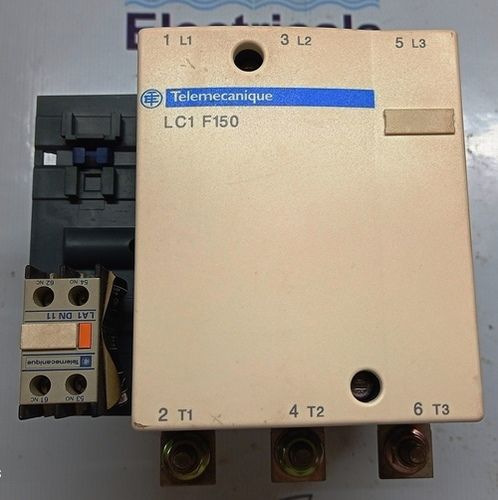
Tell us about your requirement

Price:
Quantity
Select Unit
- 50
- 100
- 200
- 250
- 500
- 1000+
Additional detail
Mobile number
Email

More Products in TC Contactor Category
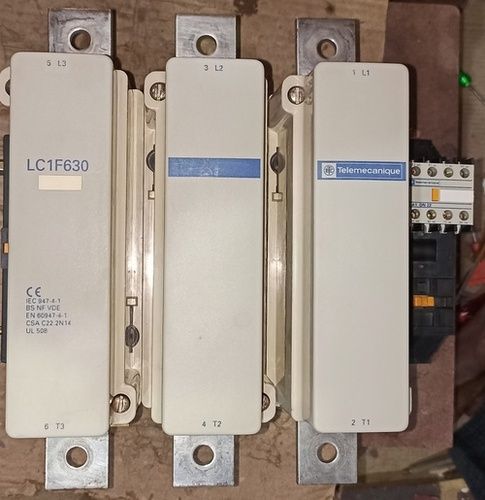
TELEMECANIQUE LC1F 630 CONTACTOR
Phase : Three Phase
Color : Black & Grey
Material : High grade plastic & Electroplated Copper
Application : Industrial Control Panels, Motor Protection, Automation
Connection Type : Screw Terminal
Shape : Rectangular
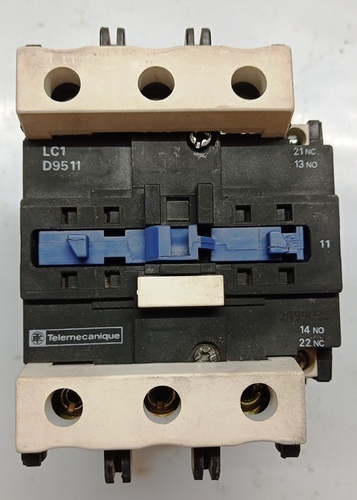
TELEMECANIQUE LC1D9511 CONTACTOR
Phase : Three Phase
Color : Black and White
Material : High Grade Plastic and Metal
Application : Industrial Motor Control, Power Circuits
Connection Type : Screw Terminal
Shape : Rectangular
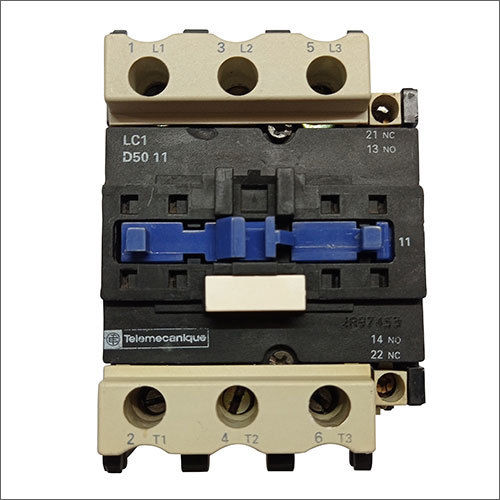
TC-50 Contactor
Phase : ThreePhase
Color : Black and Beige
Material : Plastic and Metal
Application : Industrial Electrical Systems
Connection Type : Screw Terminals
Shape : Rectangular
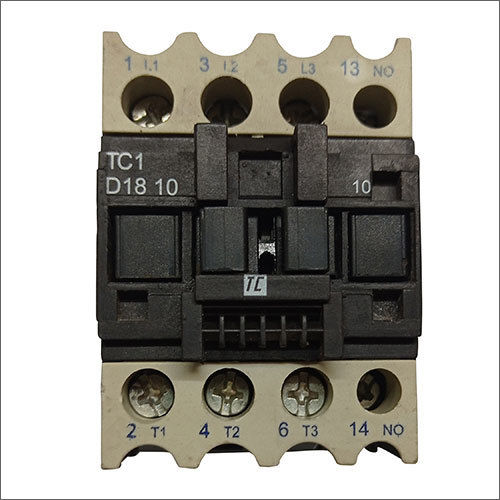
TC-18 Contactor
Phase : Single Phase
Color : Black and Beige
Material : Plastic and Metal
Application : Industrial Electrical Systems
Connection Type : Terminal
Shape : Rectangular

RAJ ELECTRICALS
GST : 24AAJFR5875M2ZH
Contact Details

- Talavadi Char Rasta, Alka Cinema Road, Opp. Imamwada Masjid, Bhavnagar - 364001, Gujarat, India

- Mr Murtuza Chhatariya (Proprietor)
- Mobile :08045813766

 Send Inquiry
 Send SMS
RAJ ELECTRICALS
All Rights Reserved.(Terms of Use)
Developed and Managed by Infocom Network Private Limited.
Developed and Managed by Infocom Network Private Limited.
 English
 Spanish
 French
 German
 Italian
 Chinese (Simplified)
 Japanese
 Korean
 Arabic
 Portuguese