Welcome Our Company!


 Send Inquiry
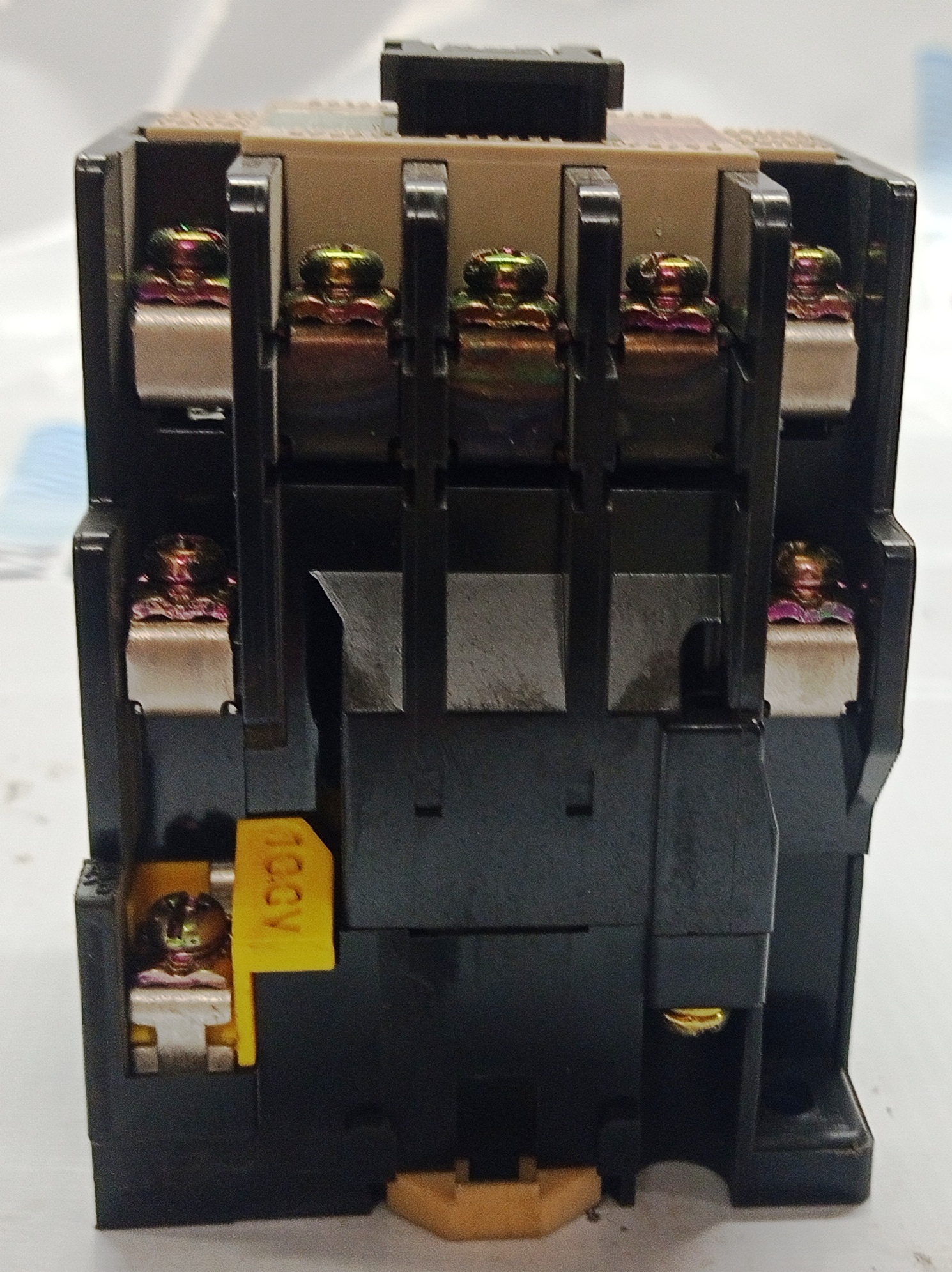
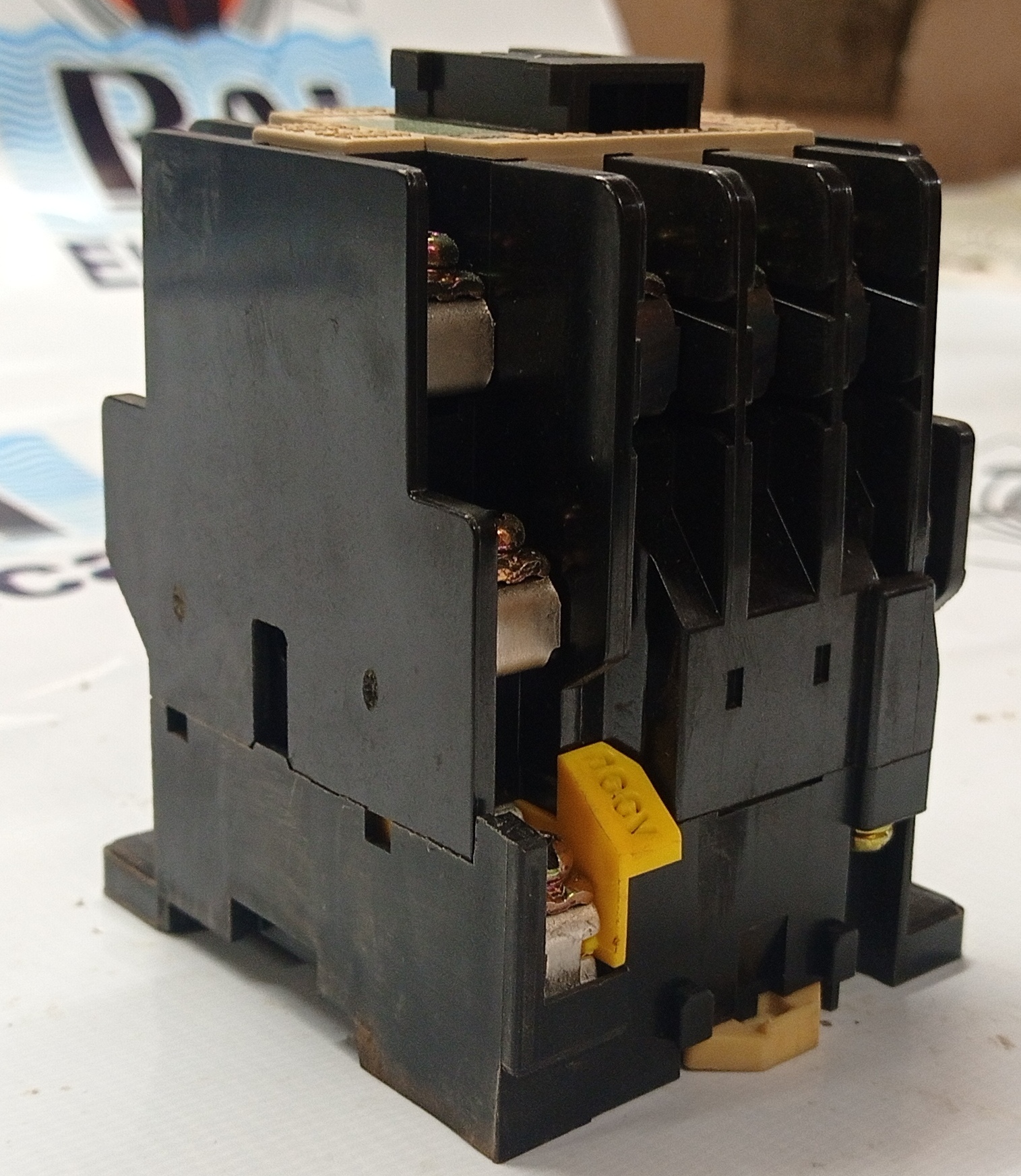
Mitsubishi S-K21 CONTACTOR
Mitsubishi S-K21 CONTACTOR Specification
- IP Rating
- IP20
- Shape
- Rectangular
- Operating Temperature
- -10°C to +55°C
- Surface Finish
- Matte
- Efficiency
- High
- Connector Type
- Screw Type
- Power Factor
- 0.75
- Mounting Type
- DIN Rail / Panel Mount
- Insulation Material
- Thermoplastic
- Humidity %
- Max 85% RH (non-condensing)
- Overheating Protection
- Yes (with optional thermal relay)
- Feature
- High Durability, Low Power Consumption
- Product Type
- AC Contactor
- Application
- Switching Electric Motors and Loads
- Protection Level
- IP20
- Frequency (MHz)
- 50/60 Hz
- Rated Voltage
- AC 220V / 440V
- Energy Consumption
- 4.5 VA (Hold)
- Output Type
- Normally Open (NO)
- Color
- Black & White
- Dimension (L*W*H)
- approx. 83 x 80 x 90 mm
- Weight
- Approx. 550g
- Input Voltage
- 220-240V AC
- Phase
- Three Phase
- Size
- Standard Panel Mount
- Material
- High-grade Plastic/Metal
- Connection Type
- Screw Terminal
- No Of Poles
- 3 Pole
- Release Voltage
- 20% of rated coil voltage minimum
- Altitude
- Up to 2000 m
- Dielectric Strength
- 2500V AC, 1 min between coil and contacts
- Vibration Resistance
- Up to 5g
- Rated Operational Current (AC3)
- 22A
- Coil Voltage
- 220V AC
- Mechanical Endurance
- Over 10 million operations
- Pollution Degree
- Class 3
- RoHS Compliant
- Yes
- Power Supply Tolerance
- -15% to +10%
- Electrical Endurance
- Over 1 million operations
- Storage Temperature
- -25°C to +65°C
- Auxiliary Contact
- 1NO+1NC (Optional)
- Standards Compliance
- IEC 60947-4-1
Mitsubishi S-K21 CONTACTOR Trade Information
- Payment Terms
- Cash in Advance (CID)
- Sample Available
- Yes
- Main Domestic Market
- All India
About Mitsubishi S-K21 CONTACTOR
A contactor is an electrical device which is used for switching an electrical circuit on or off. ... These contacts are in most cases normally open and provide operating power to the load when the contactor coil is energized. Contactors are most commonly used for controlling electric motorsVersatile Application and Rugged Build
The Mitsubishi S-K21 Contactor is purpose-built for switching electric motors and industrial loads, supporting varied installation scenarios thanks to its standard panel mount design. Its high-grade thermoplastic and metal construction, along with IP20-rated protection, ensures long-term reliability in demanding environments. The contactor is resistant to vibration up to 5g and operates efficiently across a wide temperature range, making it suitable for both manufacturer and distributor use.
Exceptional Endurance and Compliance
This contactor offers outstanding mechanical endurance of over 10 million operations and electrical endurance above 1 million operations, which minimizes downtime and maintenance requirements. Compliant with IEC 60947-4-1 and RoHS, the S-K21 meets stringent international safety and environmental standards, making it a trustworthy choice for export, manufacturing, and supply.
FAQ's of Mitsubishi S-K21 CONTACTOR:
Q: How does the Mitsubishi S-K21 Contactor support electric motor switching operations?
A: The S-K21 is engineered with a rated operational current of 22A (AC3) and three poles, making it ideal for switching and controlling electric motors and industrial loads in three-phase systems. It offers dependable performance for frequent switching requirements in automation and machinery.Q: What are the main benefits of using the S-K21 Contactor in industrial environments?
A: Key benefits include high durability (over 10 million mechanical operations), low power consumption (hold at 4.5 VA), robust design with thermoplastic insulation, wide operating temperature range (-10C to +55C), and compliance with IEC 60947-4-1 and RoHS regulations, ensuring safety and environmental responsibility.Q: When should the auxiliary contact (1NO+1NC) be selected for use with this contactor?
A: Auxiliary contacts (1NO+1NC) are optional and should be included when additional signaling or interlocking is required in the control circuit, such as feedback for control panels, status indication, or integration with automation systems.Q: Where can the Mitsubishi S-K21 Contactor be installed effectively?
A: This contactor is well-suited for industrial control panels, machinery switchboards, and distribution panels. Its DIN rail or panel mounting support allows straightforward installation in both new and retrofit projects, even in environments with up to 85% humidity or altitudes up to 2000 meters.Q: What is the process for maintaining the S-K21 Contactor to ensure longevity?
A: Routine inspections for secure terminal connections, regular cleaning to keep contacts free from debris, and verifying operating temperatures within the specified range (-10C to +55C) help maintain peak performance. Replacement of worn parts or optional thermal relays should follow Mitsubishi's guidelines.Q: How does the overheating protection function, and when is it activated?
A: Overheating protection is available with the optional thermal relay accessory. It continuously monitors the current and disconnects the circuit if it detects excessive heat or overcurrent, thus safeguarding connected motors and prolonging equipment lifespan.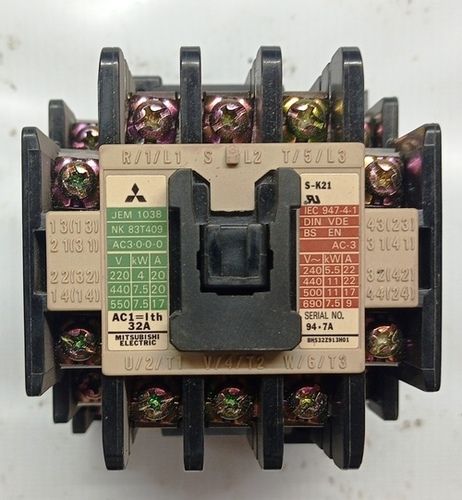
Tell us about your requirement

Price:
Quantity
Select Unit
- 50
- 100
- 200
- 250
- 500
- 1000+
Additional detail
Mobile number
Email

More Products in MITSUBISHI CONTACTOR Category
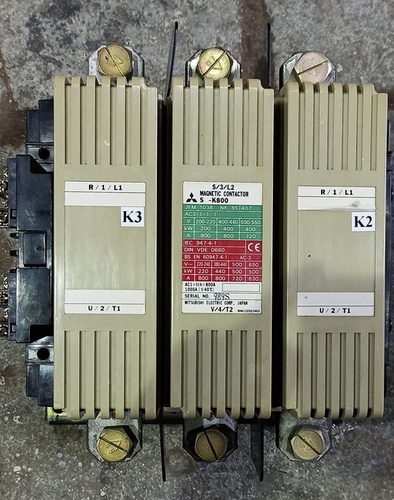
MITSUBISHI S-K 800 CONTACTOR
Minimum Order Quantity : 3
Connector Type : Screw Type
Operating Temperature : 5°C to +40°C
Efficiency : High
Surface Finish : Smooth Powder Coated
Shape : Rectangular
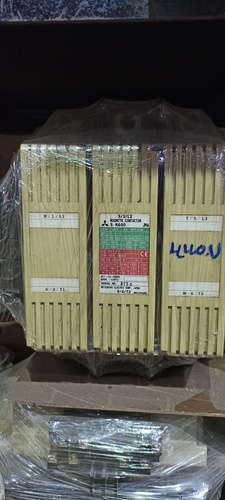
MITSUBISHI S-K 600 CONTACTOR
Minimum Order Quantity : 3
Connector Type : Screw Clamp
Operating Temperature : 5°C to +40°C
Efficiency : Up to 98%
Surface Finish : Matte
Shape : Rectangular

Mitsubishi SN-125 Contactor
Connector Type : Screw Clamp
Operating Temperature : 5°C to +55°C
Efficiency : High Switching Efficiency
Surface Finish : Matte
Shape : Rectangular
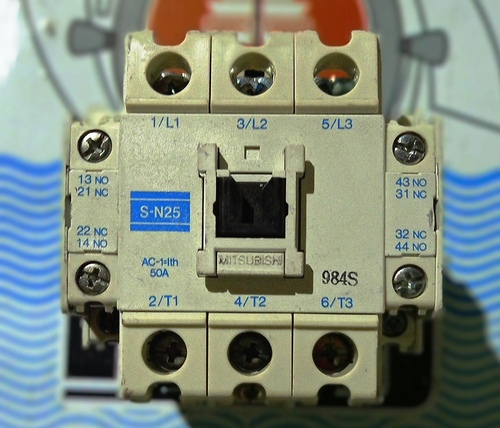
Mitsubishi S-N25 Contactor
Connector Type : Screw Connector
Operating Temperature : 5°C to +40°C
Efficiency : High
Surface Finish : Matte
Shape : Rectangular

RAJ ELECTRICALS
GST : 24AAJFR5875M2ZH
Contact Details

- Talavadi Char Rasta, Alka Cinema Road, Opp. Imamwada Masjid, Bhavnagar - 364001, Gujarat, India

- Mr Murtuza Chhatariya (Proprietor)
- Mobile :08045813766

 Send Inquiry
 Send SMS
RAJ ELECTRICALS
All Rights Reserved.(Terms of Use)
Developed and Managed by Infocom Network Private Limited.
Developed and Managed by Infocom Network Private Limited.
 English
 Spanish
 French
 German
 Italian
 Chinese (Simplified)
 Japanese
 Korean
 Arabic
 Portuguese