Welcome Our Company!


 Send Inquiry
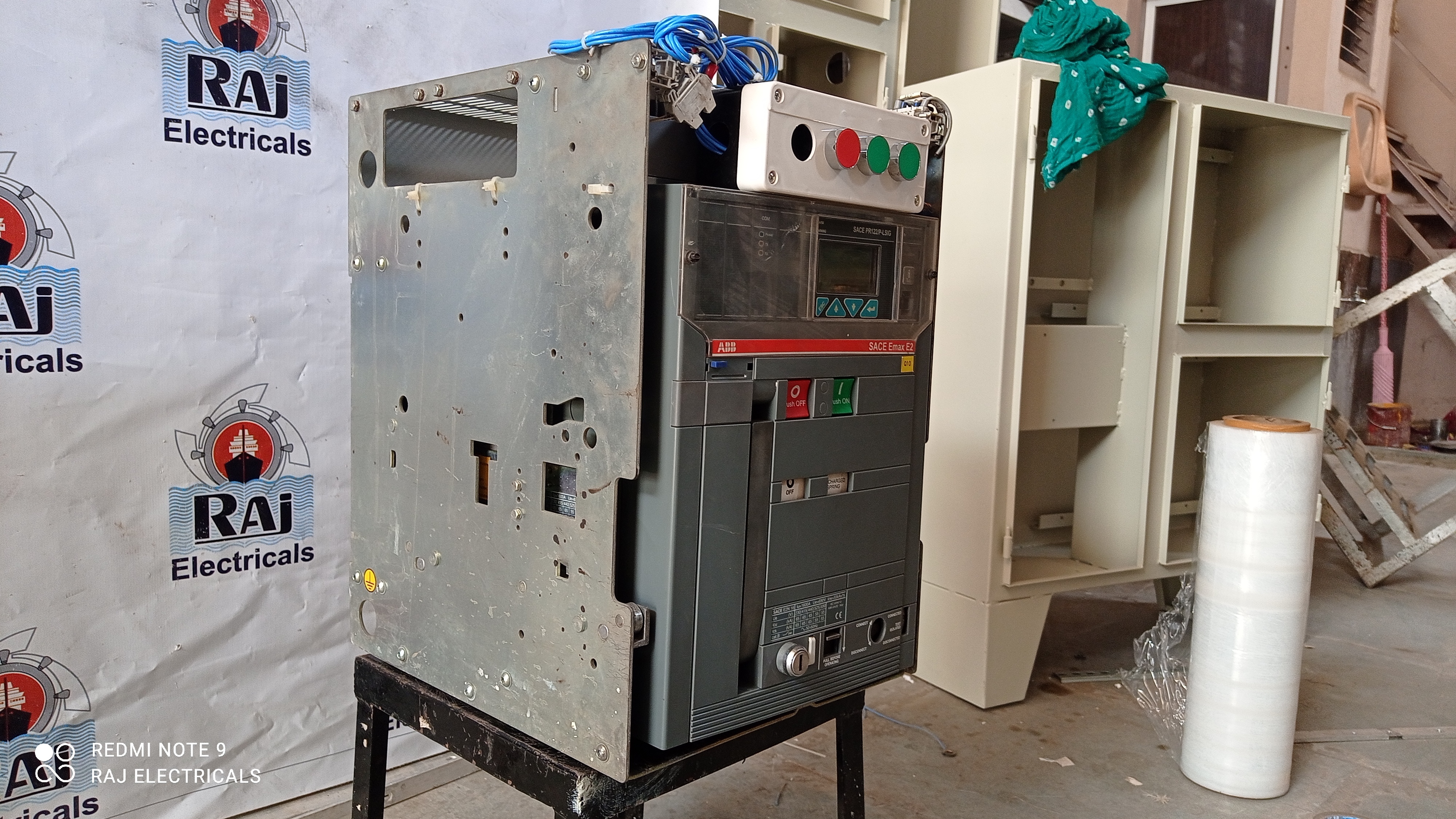
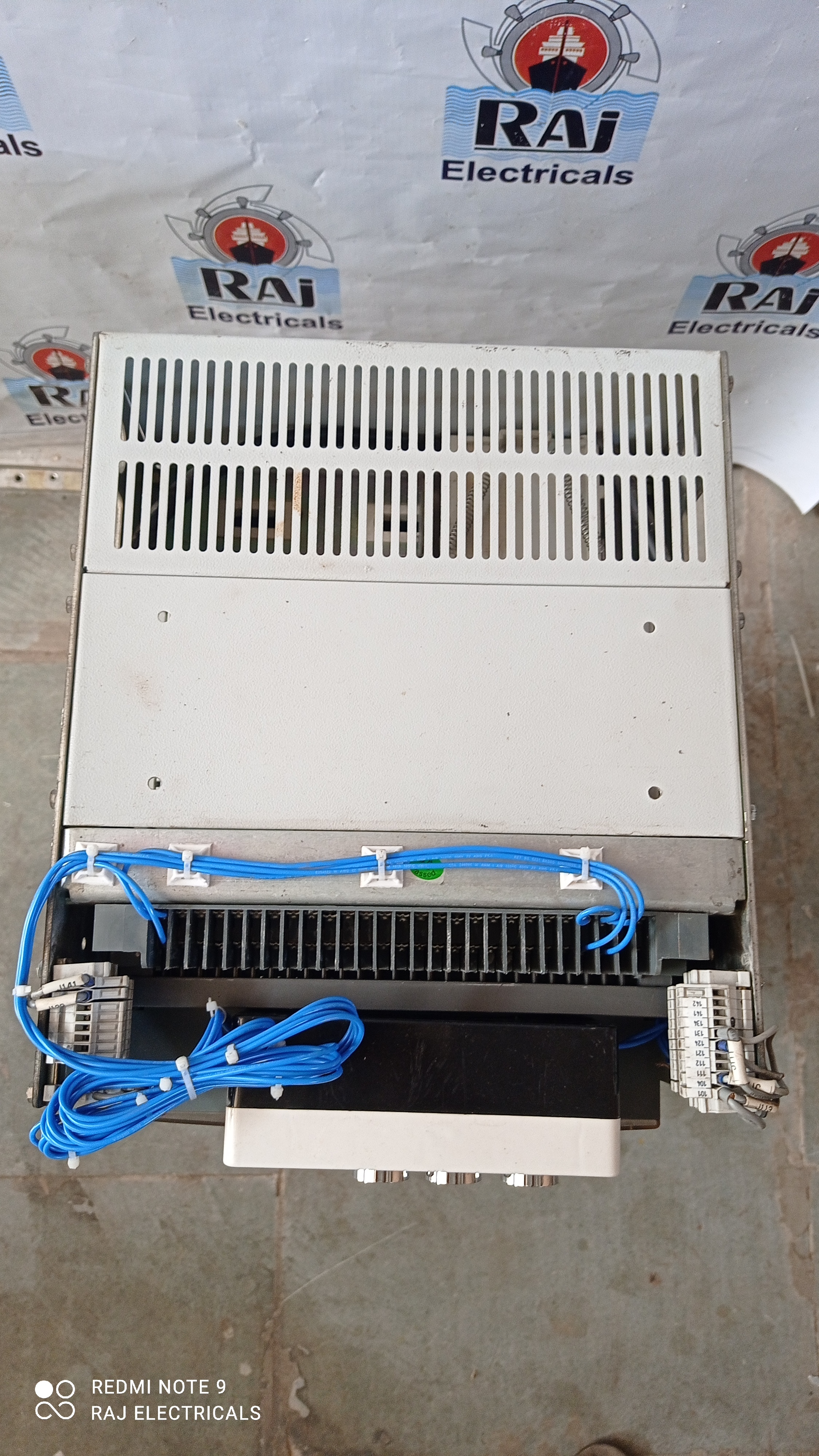
ABB Air Circuit Breaker - 1600A
MOQ : 100 Pieces
ABB Air Circuit Breaker - 1600A Specification
- Phase
- Three Phase
- Breaking Capacity
- 65 kA at 415V AC
- Rated Short Circuit Breaking Current
- Up to 85 kA
- Rated Short Circuit Making Current
- Up to 187 kA peak
- Mechanical Life
- 10,000 Operations
- Product Type
- Air Circuit Breaker (ACB)
- Installation Options
- Fixed, Drawout
- Function
- Overcurrent and Short Circuit Protection
- Poles Number
- 3 Pole / 4 Pole
- Rated Voltage
- 690V AC
- Rated Current
- 1600A
- Rated Frequency
- 50/60 Hz
- Curves
- Standard/Selective/Current Limiting
- Temperature Protection
- Integrated electronic protection
- Weight
- Approx. 45 kg
- Color
- Grey / Black
- Dimensions (HxWxD)
- Approx. 470mm x 440mm x 320mm
- Trip Unit Type
- Ekip Electronic Trip Unit
- Operating Temperature
- -25°C to +70°C
- Electrical Endurance
- 5,000 Operations
- Utilization Category
- A & B
- Rated Insulation Voltage
- 1000V AC
- Auxiliary Contacts
- Available (Optional)
- Service Breaking Capacity (Ics)
- 100% of Icu
- Operating Voltage Range
- 220V-690V AC
- Degree of Protection
- IP30 / IP54 (with enclosure)
- Communication Interface
- Modbus, Profibus (optional integration)
- Mounting Type
- Vertical / Horizontal
- Control Voltage
- 24V/48V/110V/220V AC or DC (as per variant)
ABB Air Circuit Breaker - 1600A Trade Information
- Minimum Order Quantity
- 100 Pieces
- Supply Ability
- 100 Pieces Per Day
- Delivery Time
- 2 Days
- Sample Available
- Yes
- Main Domestic Market
- All India
About ABB Air Circuit Breaker - 1600A
An air Circuit Breaker (ACB) is an electrical device used to provide Over current and short-circuit protection for electric circuits over 800 Amps to 10K Amps. ... Air circuit breaker is circuit operation breaker that operates in the air as an arc extinguishing medium, at a given atmospheric pressure.Advanced Protection and Flexibility
This breaker offers both overcurrent and short circuit protection with multiple tripping curves-standard, selective, and current limiting. The integrated Ekip Electronic Trip Unit delivers refined response under variable electrical loads, ensuring critical equipment is safeguarded.
Versatile Installation and Integration
Mounting options include vertical, horizontal, fixed, or drawout configurations. Optional auxiliary contacts and communication interfaces (Modbus, Profibus) enable seamless integration into modern control and monitoring systems, providing adaptability for different setups and future scalability.
Durable and Reliable Performance
Engineered for extended operation, the breaker supports up to 10,000 mechanical functions and 5,000 electrical operations, backed by a high-rated insulation, robust service and breaking capacities, and protection suitable for harsh environments (IP30/IP54).
FAQ's of ABB Air Circuit Breaker - 1600A:
Q: How does the ABB 1600A Air Circuit Breaker protect electrical systems from faults?
A: This breaker uses an Ekip Electronic Trip Unit to detect and interrupt overcurrent and short circuit conditions swiftly. Its selectable trip curves allow tailored protection to match system requirements, effectively safeguarding wiring and equipment against electrical faults.Q: What installation options are available for this circuit breaker?
A: The ABB 1600A breaker can be installed in vertical or horizontal orientations, and is offered in fixed and drawout configurations. This adaptability allows deployment in varied panel designs or switchgear arrangements, enhancing installation flexibility.Q: When should auxiliary contacts and communication interfaces be selected?
A: Auxiliary contacts and communication interfaces (Modbus or Profibus) should be chosen when remote monitoring, control, or integration with automation systems is required. They enable advanced diagnostics, status feedback, and centralized management.Q: Where is this breaker typically used and what environments is it suitable for?
A: It is commonly employed in industrial, commercial, and infrastructure projects demanding high-performance protection, including factories, power distribution centers, and renewable energy systems. Its design supports reliable operation from -25C up to +70C, with enclosure options for dust and water resistance (IP30/IP54).Q: What process should be followed to select an appropriate variant of this breaker for a project?
A: To select a suitable variant, consider factors such as rated current (1600A), number of poles (3 or 4), mounting method, auxiliary features, control voltage, and degree of protection. Consulting with ABB or authorized distributors ensures optimal configuration for the application's demands.Q: How does using this breaker benefit system reliability and maintenance?
A: The breaker's high service breaking capacity (100% of Icu), extended mechanical and electrical endurance, and integrated temperature protection improve system reliability. Advanced diagnostics via communication interfaces facilitate predictive maintenance and minimize unplanned downtime.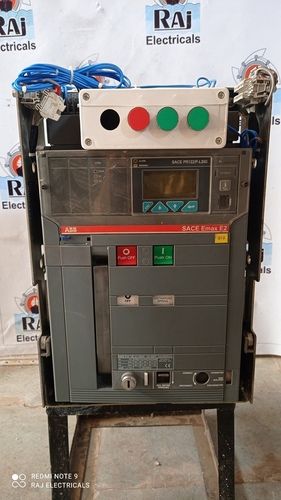

Tell us about your requirement

Price:
Quantity
Select Unit
- 50
- 100
- 200
- 250
- 500
- 1000+
Additional detail
Mobile number
Email

More Products in Air Circuit Breaker (ACB) Category
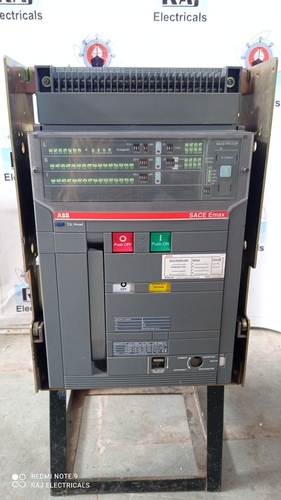
ABB Air Circuit Breaker - 1250A
Price Range 50.00 - 500.00 INR / Piece
Minimum Order Quantity : 100 Pieces
Color : Grey/Black
Product Type : Other, Air Circuit Breaker
Phase : Three Phase
Curves : Type C / Standard Industrial Curves
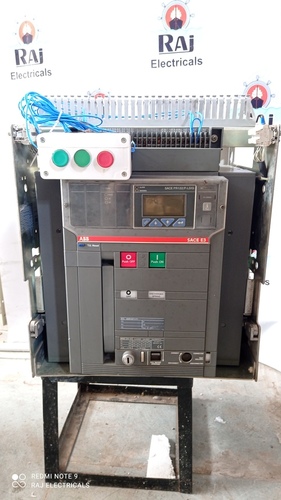
ABB Air Circuit Breaker - 2500A
Price Range 50.00 - 500.00 INR / Piece
Minimum Order Quantity : 100 Pieces
Color : Black/Grey
Product Type : Other, Air Circuit Breaker
Phase : Three Phase
Curves : Type C
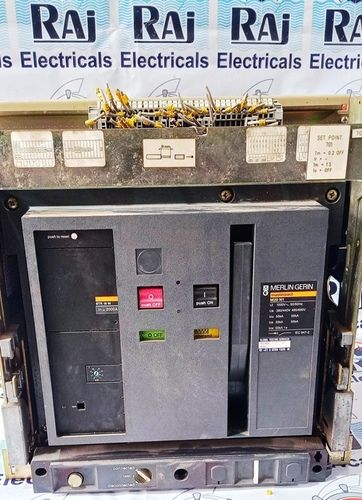
MERLIN GERIN 2000A AIR CIRCUIT BREAKER
Price Range 50.00 - 500.00 INR / Piece
Minimum Order Quantity : 100 Pieces
Color : Grey
Product Type : Other, Air Circuit Breaker
Phase : Three Phase
Curves : L, S, I, G Protection Curve Available
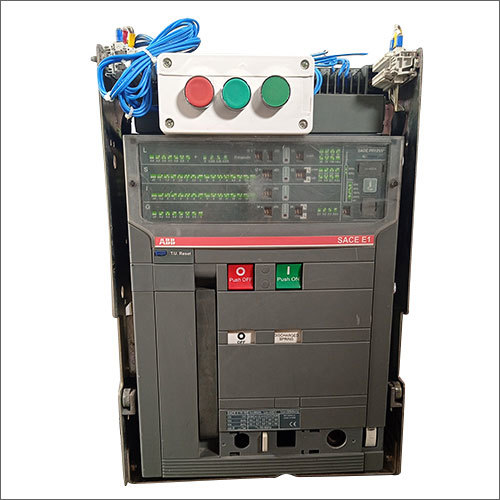
800A Air Circuit Breaker
Price Range 50.00 - 500.00 INR / Piece
Minimum Order Quantity : 100 Pieces
Color : Grey/Black
Product Type : Other, Air Circuit Breaker
Phase : Three Phase
Curves : B, C, D Curve

RAJ ELECTRICALS
GST : 24AAJFR5875M2ZH
Contact Details

- Talavadi Char Rasta, Alka Cinema Road, Opp. Imamwada Masjid, Bhavnagar - 364001, Gujarat, India

- Mr Murtuza Chhatariya (Proprietor)
- Mobile :08045813766

 Send Inquiry
 Send SMS
 Call Me Free
RAJ ELECTRICALS
All Rights Reserved.(Terms of Use)
Developed and Managed by Infocom Network Private Limited.
Developed and Managed by Infocom Network Private Limited.
 English
 Spanish
 French
 German
 Italian
 Chinese (Simplified)
 Japanese
 Korean
 Arabic
 Portuguese